
Hydraulic Hose
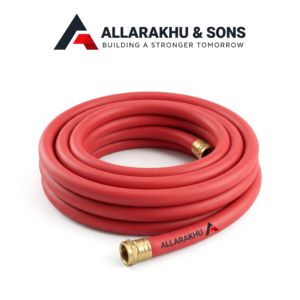
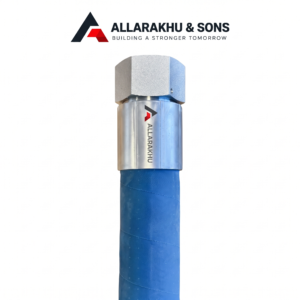
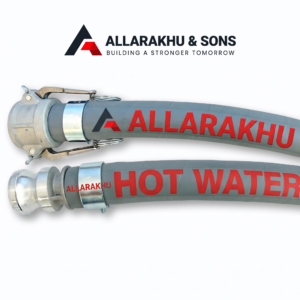
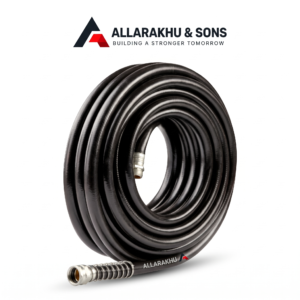
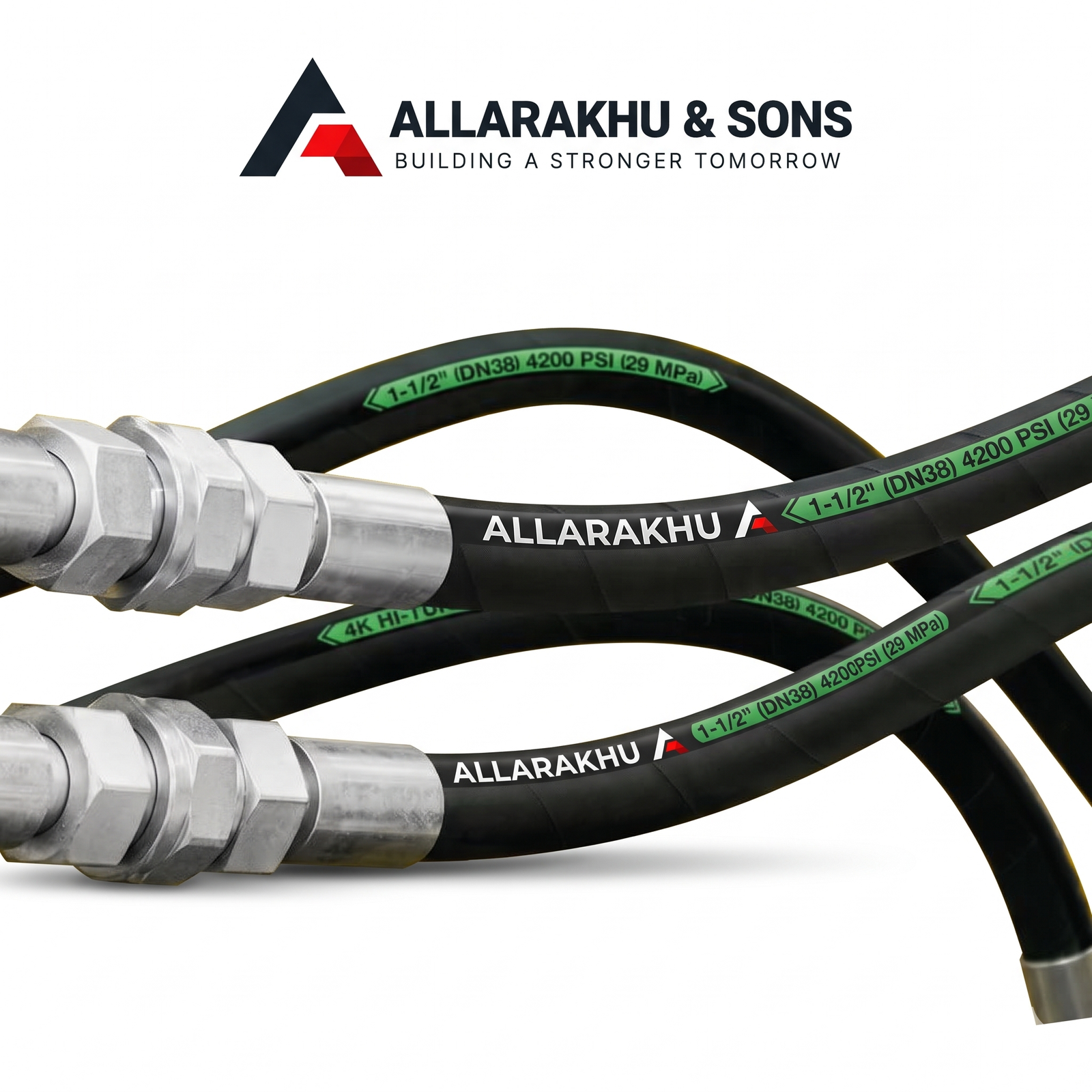
A Hydraulic Hose is a flexible fluid-conveying component used to transfer hydraulic oil or another compatible hydraulic fluid between components in a hydraulic system. It connects equipment such as pumps, valves, cylinders and other hydraulic components while accommodating the movement and routing requirements of the installation.
Choosing the right hydraulic hose requires attention to working pressure, fluid compatibility, temperature, internal diameter, reinforcement and minimum bend radius. Allarakhu & Sons caters to industrial buyers seeking hydraulic hose products for machinery, equipment and fluid power applications. Contact the team with your technical requirements to confirm a suitable product option.
Hydraulic Hose Product Overview
Hydraulic systems operate by transmitting power through pressurised fluid. The hose forms an important part of the hydraulic circuit by providing a flexible connection between system components.
Different hydraulic applications require different hose constructions. Depending on the operating conditions, a suitable product may use textile reinforcement, wire braiding, spiral reinforcement or thermoplastic construction. PTFE hoses and suction or return hoses are also part of the broader hydraulic hose product range described by the source manufacturer.
The source reference includes hoses designed for standard hydraulic applications as well as demanding operating conditions involving high pressure, low or high temperatures, pulsating pressure and abrasion. The actual suitability of any hose must be checked against its technical datasheet.
Key Features of Hydraulic Hose
- Hydraulic fluid transfer: Provides a flexible connection for conveying compatible hydraulic fluid within a hydraulic circuit.
- Different reinforcement constructions: Available hose categories include textile reinforced, wire braided and spiral reinforced constructions.
- Application-specific selection: Hose selection can account for pressure, temperature, abrasion and installation conditions.
- Flexible routing: Supports hydraulic connections where rigid piping alone may not accommodate equipment movement or installation geometry.
- Fitting compatibility: Requires suitable end connections selected for the hose construction and hydraulic system.
- Multiple connection systems: Hydraulic fittings and adapters are available in different thread and connection configurations within the referenced product range.
Types of Hydraulic Hose
Hydraulic hoses are available in different constructions to suit different hydraulic circuit requirements. The following categories are included in the source manufacturer’s product range. Confirm the exact type and availability before ordering.
Wire Braided Hydraulic Hose
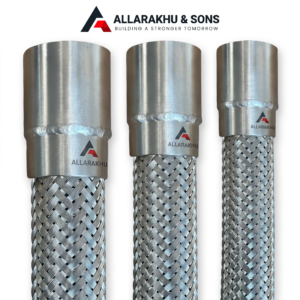
Wire braided hydraulic hoses use steel wire reinforcement around the inner hose tube. The number and construction of reinforcement layers influence the hose’s pressure capability and flexibility. The selected hose must match the hydraulic system’s specified working pressure and operating conditions.
Spiral Reinforced Hydraulic Hose
Spiral reinforced hoses are designed for demanding hydraulic applications. The source range includes multi-layer spiral hose constructions intended for high-pressure and high-impulse operating conditions. Check the product datasheet for the approved pressure rating, bend radius and application limits.
Textile Reinforced Hydraulic Hose
Textile reinforced hoses use textile reinforcement within the hose construction. Their suitability depends on the design, pressure rating and intended hydraulic service. Confirm the hose classification and technical specifications before selection.
Thermoplastic Hydraulic Hose
Thermoplastic hydraulic hoses form another category in the referenced range. The appropriate construction depends on the pressure, fluid, temperature and installation requirements of the hydraulic equipment.
PTFE Hydraulic Hose
PTFE hydraulic hoses are included in the source manufacturer’s range, including textile-reinforced and other PTFE hose options. Select the exact construction according to fluid compatibility, temperature and pressure requirements.
Hydraulic Suction and Return Hose
Suction and return hoses are used in the relevant sections of hydraulic circuits. Their selection must account for the direction of flow, operating conditions and the requirements of the hydraulic system. Confirm whether the required hose is intended for suction, return or pressure service.
Hydraulic Hose Technical Specifications
The product technical data has not been provided. Use the following table as a specification checklist and confirm the exact values with the supplier before placing an order.
| Specification | Details |
|---|---|
| Product name | Hydraulic Hose |
| Hose construction | Confirm with supplier |
| Inner tube material | Confirm with supplier |
| Reinforcement material | Confirm with supplier |
| Outer cover material | Confirm with supplier |
| Internal diameter | Confirm with supplier |
| Outside diameter | Confirm with supplier |
| Working pressure | Confirm with supplier |
| Burst pressure | Confirm with supplier |
| Operating temperature | Confirm with supplier |
| Minimum bend radius | Confirm with supplier |
| Hydraulic fluid compatibility | Confirm with supplier |
| Applicable standard | Confirm with supplier |
| Hose length | Confirm with supplier |
| End connection | Confirm with supplier |
Hydraulic Hose Standards and Classification
The source manufacturer describes hydraulic hoses manufactured in accordance with international standards, including EN 853, EN 857 and ISO 18752. These standards relate to different hydraulic hose categories and constructions.
The referenced range includes single- and double-wire-braid hose categories, compact hose constructions and multi-layer spiral reinforced hoses. It also includes specialised hose options for low-temperature conditions, high-temperature service and cleaning applications.
Do not assume that every hydraulic hose meets every listed standard. Confirm the exact standard and classification printed on the selected hose or stated in its datasheet before specifying it for a project.
Hydraulic Hose Fittings and Connections
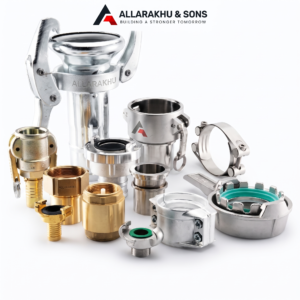
Hydraulic hose fittings connect the hose to pumps, valves, cylinders, manifolds and other hydraulic components. Correct fitting selection is essential for connection compatibility and safe operation.
The source manufacturer’s hydraulic range identifies several fitting and adapter connection systems, including:
- BSP: British Standard Pipe connection system.
- DIN: Connection configurations following the relevant DIN specifications.
- JIC: Joint Industry Council flare connection system.
- ORFS: O-Ring Face Seal connection system.
- NPT: National Pipe Taper connection system.
- UNF: Unified National Fine thread connection.
Other adapter configurations may include BSPT, NPTF, JIC, metric and SAE flange connections. The exact connection must match the equipment port and the selected hose fitting. Thread appearance alone is not enough to confirm compatibility.
Hydraulic Hose Pressure and Temperature Requirements
Hydraulic hoses operate under different pressure and temperature conditions depending on the equipment and application. A hose designed for one duty may not be suitable for another.
Before selecting a hydraulic hose, confirm the following:
- Working pressure: The normal operating pressure of the hydraulic circuit.
- Pressure surges: Any pressure peaks or pulsations during equipment operation.
- Operating temperature: Both the hydraulic fluid temperature and the surrounding environment.
- Fluid compatibility: Compatibility between the hydraulic fluid and the hose’s inner tube and fittings.
- Installation conditions: Routing, movement, vibration, exposure and available space.
- Bend radius: The minimum permitted bend radius for the selected hose.
Never select a hydraulic hose based only on its outside appearance or nominal diameter. Confirm the rated working pressure and operating temperature from the manufacturer’s technical documentation.
Applications of Hydraulic Hose
Hydraulic hoses are used in fluid power systems where pressurised fluid transfers energy between hydraulic components. Depending on the selected hose construction and verified ratings, application areas may include:
- Industrial hydraulic machinery
- Manufacturing and production equipment
- Construction and earthmoving equipment
- Agricultural machinery
- Material handling equipment
- Mining and heavy-duty machinery
- Hydraulic power packs and systems
- Mobile hydraulic equipment
- Hydraulic pumps, valves and cylinders
- Industrial maintenance and equipment replacement
These are general hydraulic application categories. Confirm the selected hose’s pressure, temperature, fluid compatibility and construction before using it in any particular machine or process.
How to Select the Right Hydraulic Hose
Correct hydraulic hose selection helps match the hose to the hydraulic system’s operating conditions. Consider the following points when preparing a product enquiry.
- Identify the hydraulic application: Explain the machine, equipment or hydraulic circuit where the hose will be installed.
- Check the hose size: Provide the required internal diameter and, if available, the existing hose marking.
- Confirm working pressure: Specify normal pressure and any pressure spikes or pulsating conditions.
- Identify the fluid: Provide the hydraulic fluid type and any relevant compatibility requirements.
- Check temperature: State the normal and maximum operating temperatures.
- Review routing: Consider the installation length, movement, vibration and minimum bend radius.
- Identify end fittings: Provide the fitting type, thread, connection size and orientation.
- Confirm standards: Mention any required EN, ISO or other project specifications.
Hydraulic Hose Maintenance and Safety
Hydraulic hoses are exposed to pressure, movement, heat and environmental conditions during operation. Regular inspection helps identify visible damage and signs that require attention.
- Inspect the hose cover for cuts, abrasion, cracking and other visible damage.
- Check for leakage around hose ends and connection points.
- Look for kinks, twisting, crushing or excessive bending.
- Check that the hose does not rub against sharp edges or moving components.
- Replace damaged hoses with products that meet the original system requirements.
- Follow the hose manufacturer’s installation, inspection and replacement guidance.
Never inspect a suspected hydraulic leak with your bare hands. High-pressure hydraulic fluid can cause serious injection injuries. Isolate and depressurise the system using the equipment manufacturer’s safety procedure before carrying out maintenance.
Hydraulic Hose Supplier in Surat, Gujarat
Allarakhu & Sons is based in Surat, Gujarat, and caters to industrial product enquiries from businesses, contractors, maintenance teams and procurement departments. Buyers looking for hydraulic hose products can share their application, size, pressure and connection requirements to confirm a suitable option.
Industrial buyers from Surat and surrounding manufacturing locations, including Surat GIDC, Sachin GIDC, Pandesara, Udhna, Hazira, Palsana and Kadodara, can contact the team for hydraulic hose enquiries. Businesses in Ankleshwar GIDC, Bharuch GIDC and Vapi GIDC can also share their product requirements.
Hydraulic Hose Enquiries Across India
Allarakhu & Sons welcomes hydraulic hose enquiries from industrial customers across India. Businesses in Surat, Ahmedabad, Mumbai, Delhi, Pune, Bengaluru, Hyderabad, Jaipur, Chennai, Chandigarh, Lucknow, Goa, Indore, Nagpur, Dehradun, Kochi, Shimla, Srinagar, Noida and Gurugram can contact the team with their requirements.
Share the hose type, size, working pressure, operating temperature, hydraulic fluid and connection details to help confirm the appropriate product option, availability and commercial terms.
Enquire About Hydraulic Hose
Looking for a hydraulic hose for industrial machinery or hydraulic equipment? Contact Allarakhu & Sons with your required hose specifications. The team can review your enquiry and confirm the available product options according to your application.
Business: Allarakhu & Sons
Address: A-3, 7/4720, Badri Mansion, Lal Darwaja Station Road, Surat – 395003, Gujarat, India.
Phone: +91 98251 78797 / +91 84011 31000
Website: allarakhuandsons.in
Frequently Asked Questions
What is a hydraulic hose?
A hydraulic hose is a flexible component that transfers pressurised hydraulic fluid between components in a hydraulic system. It connects equipment such as pumps, valves and cylinders.
What are the different types of hydraulic hoses?
Common construction categories include textile reinforced, wire braided, spiral reinforced, thermoplastic and PTFE hydraulic hoses. Suction and return hoses are also used for specific sections of hydraulic systems.
What is the difference between wire braided and spiral hydraulic hose?
Wire braided and spiral hoses use different reinforcement arrangements. Their pressure capability, flexibility and application suitability depend on the specific hose design and technical rating.
How do I choose the correct hydraulic hose size?
Check the required internal diameter, flow requirement, existing hose marking and equipment connection details. Also confirm the hose’s working pressure, temperature and minimum bend radius.
Which fittings are used with hydraulic hoses?
Hydraulic hose connections may use BSP, DIN, JIC, ORFS, NPT, UNF and other connection systems. The correct fitting depends on the equipment port, thread specification and hose construction.
What working pressure can a hydraulic hose handle?
Working pressure varies by hose construction, diameter, reinforcement and design. Always check the rated working pressure on the technical datasheet for the exact hose.
Can hydraulic hoses handle high temperatures?
Some hydraulic hose constructions are designed for elevated-temperature service. The permissible temperature depends on the hose material, fluid and operating conditions. Confirm the manufacturer’s specified temperature range before use.
Where can I buy hydraulic hose in Surat?
You can contact Allarakhu & Sons in Surat, Gujarat, for hydraulic hose enquiries. Share your required size, pressure rating, hose type and application to confirm product availability.